
Besides the religious and national holidays of Easter, Christmas, Constitution Day, and Independence Day, Ukraine celebrates a number of traditional cultural festivities some of which date back to pagan times.
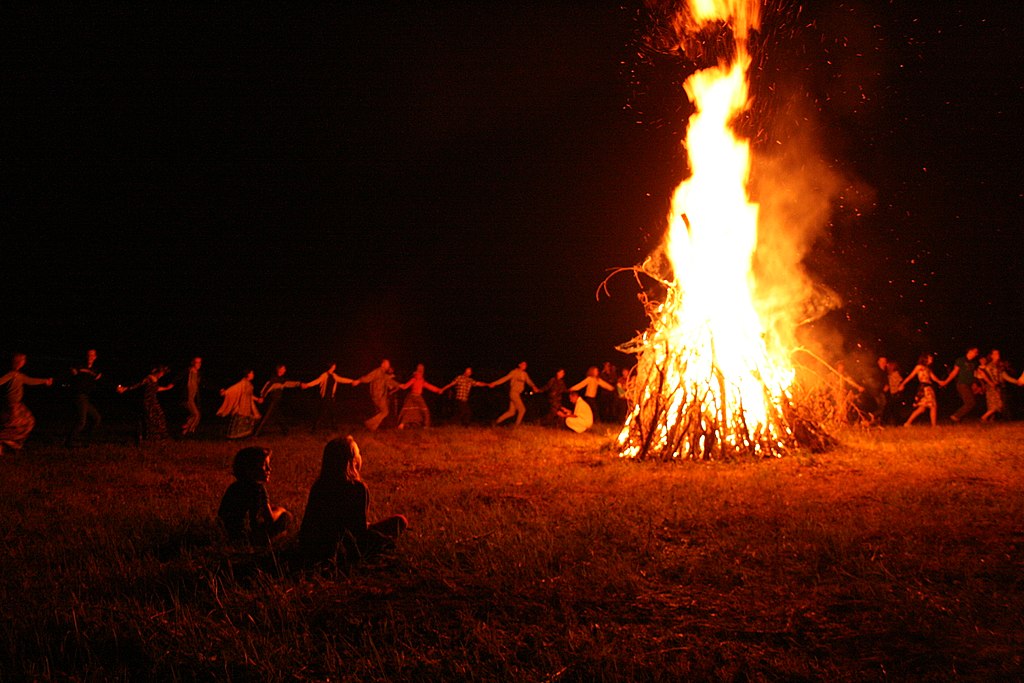
Ivana Kupala Night – a celebration that relates to the summer solstice and the birth of the summer sun – Kupalo, and involves a number of Slavic rituals, including herb collecting, bathing in a river, and bonfire lighting, during which young people jump over the flames of bonfires in a ritual test of bravery and faith. Jumping over a bonfire is the most famous and well-known tradition of this day. This tradition symbolized purification from sins and curses. Folks competed who could jump higher, whereas couples tried to jump without letting go of each other’s hands — in doing so, it was believed they would marry and live together.
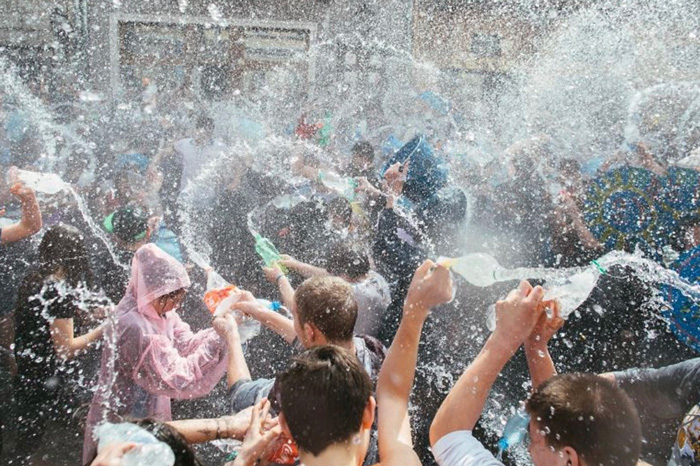
Then there is Wet Monday.
The second day after Easter in Ukraine has its own special flavour — it is called Wet Monday. And, as you might guess, the main feature of Wet Monday is being doused with water. It is celebrated most enthusiastically in the west of the country, but other regions are not far behind. The day of Wet Monday is considered a joyful moment marking the arrival of spring, associated with merriment and spiritual purification. Slavic tradition had it that pouring water on women was a specifically male prerogative in order to “purify” them on the first Monday after Easter Sunday. Today the tradition is no longer gender specific as everybody that participates gets wet.

Vyshyvanka Day is celebrated in Ukraine and Internationally on the third Thursday of May. Vyshyvanka is a traditional Ukrainian embroidery shirt or dress, typically made from linen, cotton, or hemp, embroidered with six primary colors – white, black, green, blue, red, or yellow. Vyshyvanka was considered to be “a second skin.” Ukrainians believed it could repel and protect them from evil spirits, negative energy, and misfortune. Vyshyvanka is integral to Ukrainian culture as Ukrainians wear it both on holidays and in everyday life. It signifies the unbreakable bond between the past and present Ukrainians managed to preserve, notwithstanding the absence of statehood and oppression for centuries.
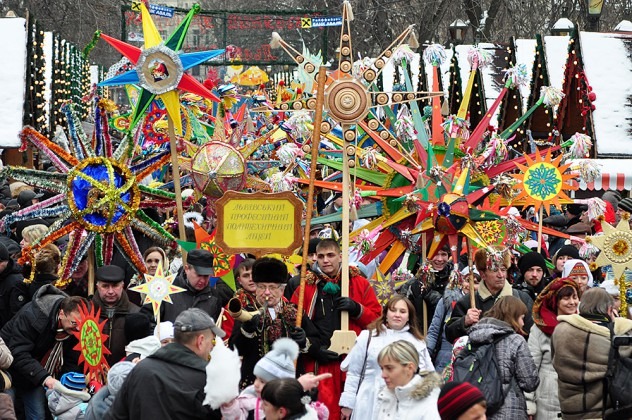
And next we have the 13 January Julian Calendar New Year’s tradition of Malanka, an ancient holiday that combines Christian and pagan traditions during which celebrants don masks including grandpas and grandmas, gypsies with wheat straw bears, kings and queens, horses, and doctors to mark the beginning of the New Year. Malanka commemorates the feast day of Saint Melania the Younger. On this night in Ukraine, carolers traditionally went from house to house playing pranks or acting out a small play (similar to Vertep), with a bachelor dressed in women’s clothing leading the troop. Today, Ukrainians all over the world still follow this tradition but with different variations that have been passed down from their ancestors. People gather in groups, dressed in traditional Ukrainian clothing and holding props such as the star and go door to door to their neighbours, nearest friends and family.
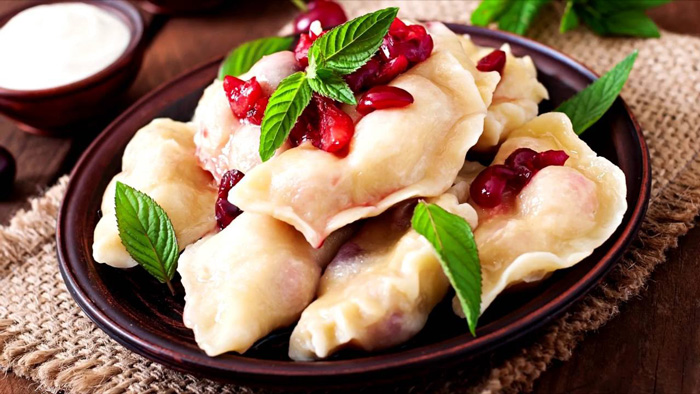
In late February or early March Masnytsia AKA Butter Week is feted. It is an ancient Eastern Slavic holiday honoring the advent of Spring during which the fare are dishes made with cheese and butter including varenyky (dumplings), blini (pancakes), syrnyky (cottage cheese pancakes), and various desserts. It was originally a spring equinox festival celebrating the sun’s return, the end of winter, and the renewal of nature. Ancient Slavs believed that the more fun they have on Masnytsia – the more successful and plentiful the following year will be. Masnytsia dates vary each year, depending on Easter (Великдень), following the Orthodox calendar used by the Orthodox Church of Ukraine (PCU) and the Ukrainian Greek Catholic Church (after their adoption of the Revised Julian calendar).
Time to slip on your vyshyvanka, explore your Ukrainian soul, celebrate your Ukrainian heritage and join one of our masterclasses in Ukrainian Art and Culture.
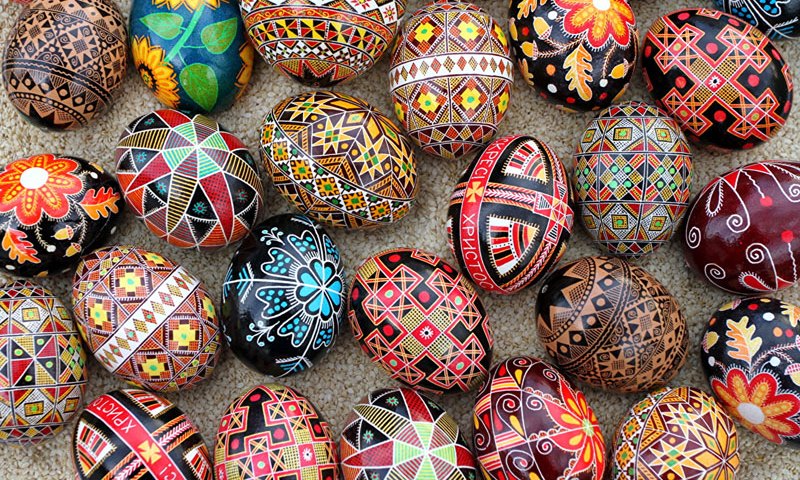
Learn traditional arts and crafts from master artists including; how to paint [actually write] Ukrainian Easter Eggs. Simply put, a pysanka is an Easter egg decorated using a wax resist (aka batik) method. Its name derives from the Ukrainian verb “pysaty,” meaning “to write.” (“Pysanka” is the singular form; “pysanky” is plural.) Every Ukrainian knows at least a little something about pysanky–perhaps a legend about their origins, perhaps the etymology of their name. What many are not aware of is that pysanky are of two types: traditional folk pysanky, and what the Ukrainians call “avtorsky” pysanky. The former are traditional designs handed down over many generations; the latter are original designs created by an artist, often incorporating traditional motifs.
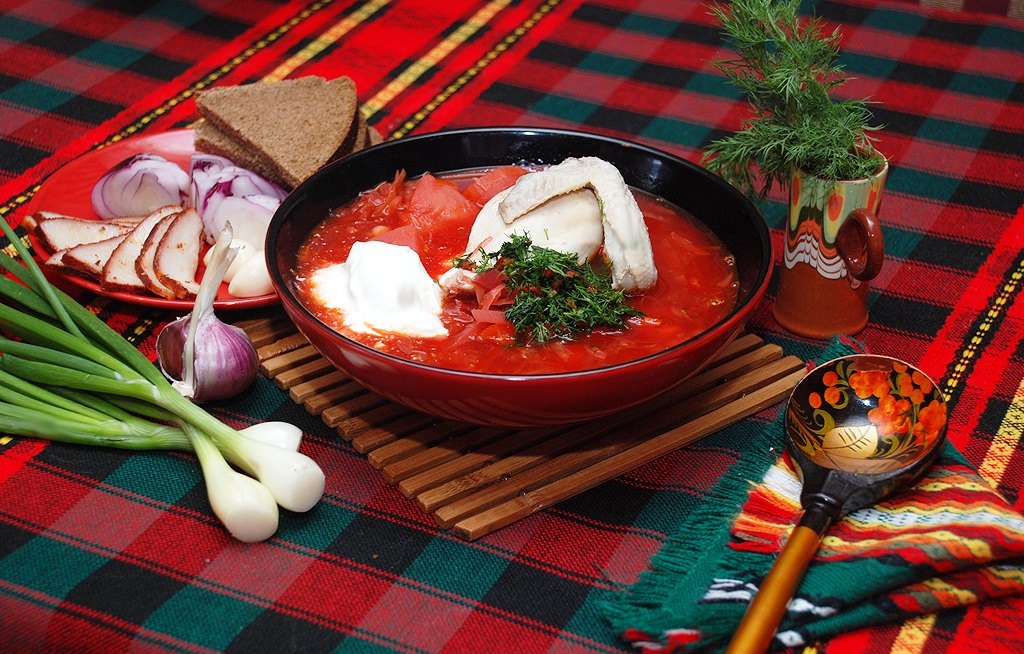
A Galician Cuisine Masterclass features an Eastern European collection of the various cooking traditions of the Slavic people of Western Ukraine accumulated over hundreds of years. Traditional Galician Cuisine cuisine is heavily influenced by the rich dark soil from which its ingredients come and often involves many components that descend from ancient peasant dishes based on plentiful grain resources such as rye as well as staple vegetables such as potatoes, cabbages, mushrooms and beetroots prepared in a traditional manner.
The national dish of Ukraine that undeniably originates from the country is borsch – a vegetable soup featuring beets, cabbage, potatoes, tomatoes, garlic and onions that is prepared in literally dozens of ways. However, varenyky [dumplings AKA pirogy] and holubtsi [“pigs-in-a-blanket”] are also considered National favorites and are a common meal in traditional Ukrainian restaurants as well as at home.
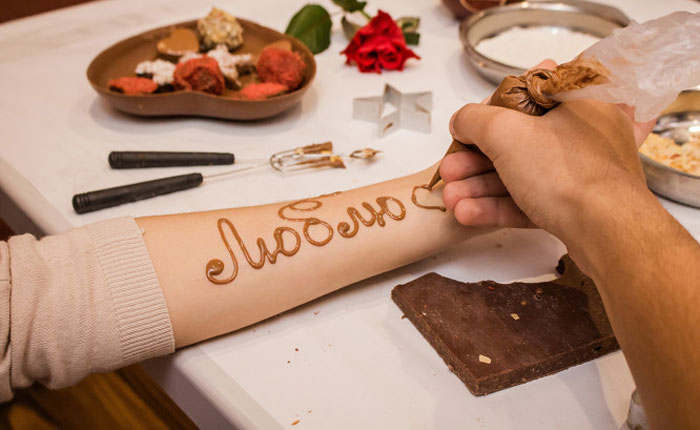
Enroll in a Chocolatier Masterclass – which involves you donning a chef’s hat and apron, listening to new stories and learning historical legends about chocolate, imbibing a savory drink along with devouring delicious sweets – chocolates – the ones you’ll actually make with your own hands – under the supervision of a professional chocolatier.
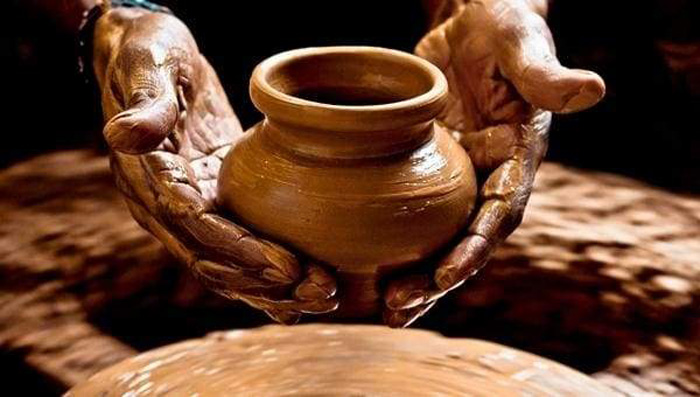
Or learn how to “throw” a pot or mug or vase or whistle or ceramic plate for your souvenir collection. Attending an individual pottery master-class is an opportunity to explore the world of hand-made crafts – literally hands-on. Individual pottery master-classes are conducted in a relaxed creative atmosphere giving you the opportunity to experience what it is like to use your fingers to knead the clay and work a pottery wheel to apply patterns and decorate your creations. Plus, whatever you create is yours to keep.